Western jewelry for women is easy to recognize as a mood and surprisingly difficult to compare as a purchase. A product photograph may show blue-green color, a cross, a floral form, a heart, engraving-like texture or a bold silver-colored surface. Those visual cues can suggest a western direction, but they do not answer the questions that decide whether the piece will actually be worn: What role will it play? What facts does the listing state? Where will it touch the body and clothing? Which outfits already support it? What happens if the scale or fit is different from the photograph?
This guide turns those questions into the original RIDER Purchase Check: Role, Information, Dimensions, Everyday contact and Return readiness. The framework works across earrings, necklaces, bracelets and rings. It does not rank one motif, color or level of boldness above another. It helps a shopper separate visual attraction from evidence, fit and repeatable use before placing an order.
A Fast Decision Map for Western Jewelry for Women
| If you want... | Start with... | Verify before buying |
|---|---|---|
| A visible face-level focal point | Western Earrings | Drop, width, closure, hair, glasses, hat and collar contact |
| A motif or color at the neckline | Western Necklaces | Chain or cord, pendant dimensions, endpoint, closure and neckline |
| Movement and texture at the wrist | Western Bracelets | Inner fit, opening or closure, sleeve, watch, desk and bag contact |
| A close-up hand-level accent | Western Rings | Available size, band shape, profile, neighboring fingers and hand tasks |
This map chooses a body zone before a motif. That order matters. A shopper who rarely wears necklaces may get more value from earrings or a ring even when a pendant photograph is the most dramatic. The complete Western Jewelry for Women collection is automatically limited to activated products carrying both the Women’s Jewelry and Western Jewelry tags, so it is a more focused starting point than browsing the whole catalog.
The RIDER Purchase Check
R — Role: anchor, accent or stack member?
An anchor is intended to be the first jewelry detail seen at conversation or full-outfit distance. An accent contributes color, shape or texture without controlling the outfit. A stack member is purchased because it can share a body zone with other pieces. Name the role before comparing products. Without a role, every photograph can look useful while none of the pieces has a defined job.
Role is not determined by price or product title. Large earrings partly covered by hair may function as an accent. A moderate ring can become the anchor in a simple hand stack. A necklace can lead against a solid dress and become supporting color under a jacket. The article Turquoise Jewelry for Women: Statement Styling vs Everyday Styling provides a separate 30-wear test when the main decision is bold versus repeatable.
I — Information: what does the listing actually state?
Read the title, description, option selector, measurements, photos, shipping information and return terms as different evidence sources. Record only what is explicitly stated. A blue-green center proves that the photograph shows a blue-green center; it does not authenticate natural turquoise. A cool gray surface proves appearance in that image; it does not establish silver purity. “Vintage” may describe style unless the seller documents age. “Native American inspired” in a third-party video or search result does not prove the maker, community or origin of an Oroxen product.
If material identity is important to the purchase, missing information is a reason to pause the claim, not a reason to infer it. The What Is Western Jewelry? guide separates motif, style, material and documented origin in more detail.
D — Dimensions: what must fit?
Dimensions are functional. For earrings, compare drop and width with the jaw, hair, glasses, hat and collar. For necklaces, place the expected pendant endpoint against the actual necklines you wear. For bracelets, compare the inner circumference, opening, closure or stretch construction with the wrist and hand. For rings, use the current size selector and consider band width, inner shape, profile and the fingers beside it.
Do not estimate scale from a cropped photograph alone. Product images may be enlarged for detail, and styling images may not represent every option. If exact measurements are absent, treat fit as uncertain. Compare the live measurements in Western Earrings, Western Necklaces, Western Bracelets or Western Rings when that category is the main decision.
E — Everyday contact: what will the jewelry meet?
Imagine the full intended day rather than the product photograph. Earrings may meet hair, headphones, a phone, a hat cord or high collar. A pendant may meet buttons, a zipper, desk edge, seat belt or bag strap. A bracelet may touch a watch, sleeve, keyboard, table or steering wheel. A ring may meet pockets, gloves, handles, tools, phones and handwashing.
Contact does not automatically disqualify a piece. It tells you what must be tested or managed. Jewelry that is safe for dinner may not suit machinery, clinical work, food preparation, childcare, sport or tasks requiring personal protective equipment. Follow the real rules of the setting and remove jewelry when safety, hygiene or employer guidance requires it.
R — Return readiness: what if reality differs?
Before checkout, read the live shipping and return information, note timing, keep the product name and selected option, and save the order confirmation. When the item arrives, inspect it before removing any protective packaging that the policy requires to remain intact. Compare the received option, visible condition, closure, size and set contents with the order and product page. Do not rely on an old screenshot for current price, inventory or policy details.
Return readiness is part of buying quality because jewelry scale and color are difficult to judge perfectly on a screen. It is not pessimism. It is a plan for resolving a mismatch without turning an attractive but unsuitable item into permanent clutter.
Four Activated Oroxen Examples Across the Body
The following products are currently activated and appear in the verified Women’s Jewelry plus Western Jewelry tag intersection. They are examples of decision types, not claims about gemstone identity, metal purity, handmade status or origin.
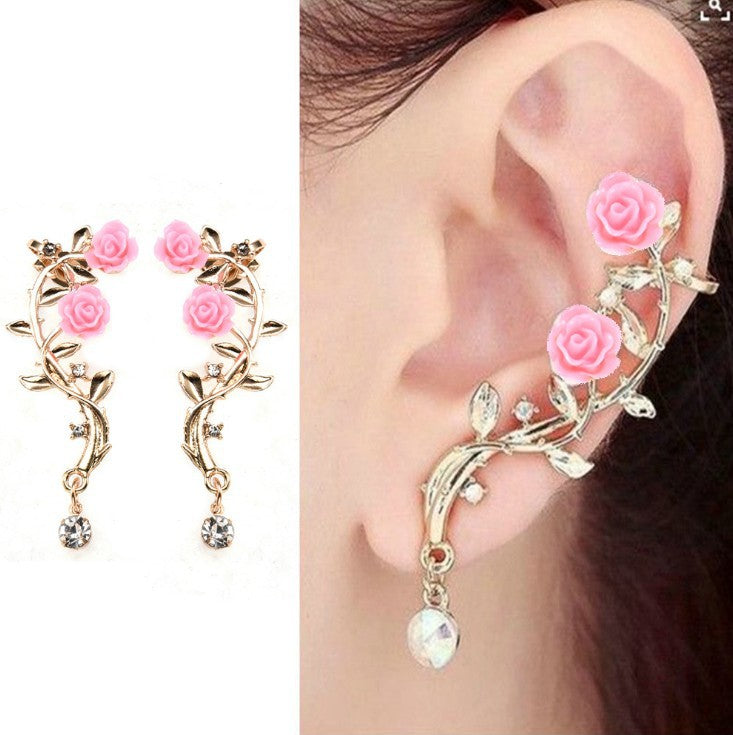
Face zone: Western Floral Earrings for Women
The Western Floral Earrings for Women place the motif close to the face. Apply RIDER by choosing anchor or accent, checking the current option images and listing details, then testing hair, glasses, hat and collar clearance. A floral form can read clearly with a simple neckline, but scale and movement should come from the live product page rather than an assumption based on the word “western.”
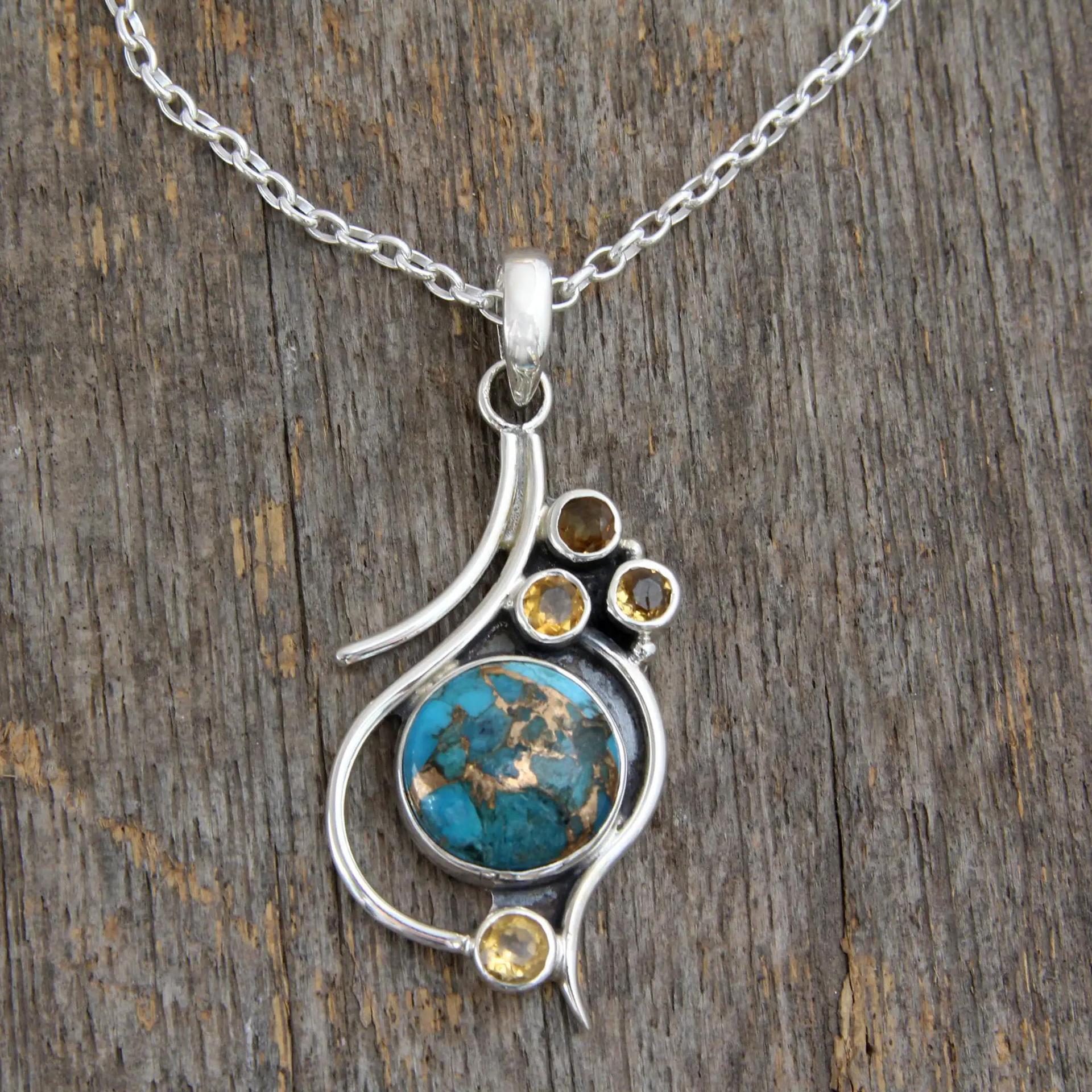
Neckline zone: Turquoise Vintage Geometric Necklace for Women
The Turquoise Vintage Geometric Necklace for Women combines blue-green color with a geometric direction in its title. Its practical question is endpoint: will the pendant sit against a clean area of a tee, dress, knit or open jacket, or collide with buttons, pockets and prints? Confirm the current chain or cord information, pendant scale, option and material language before buying.
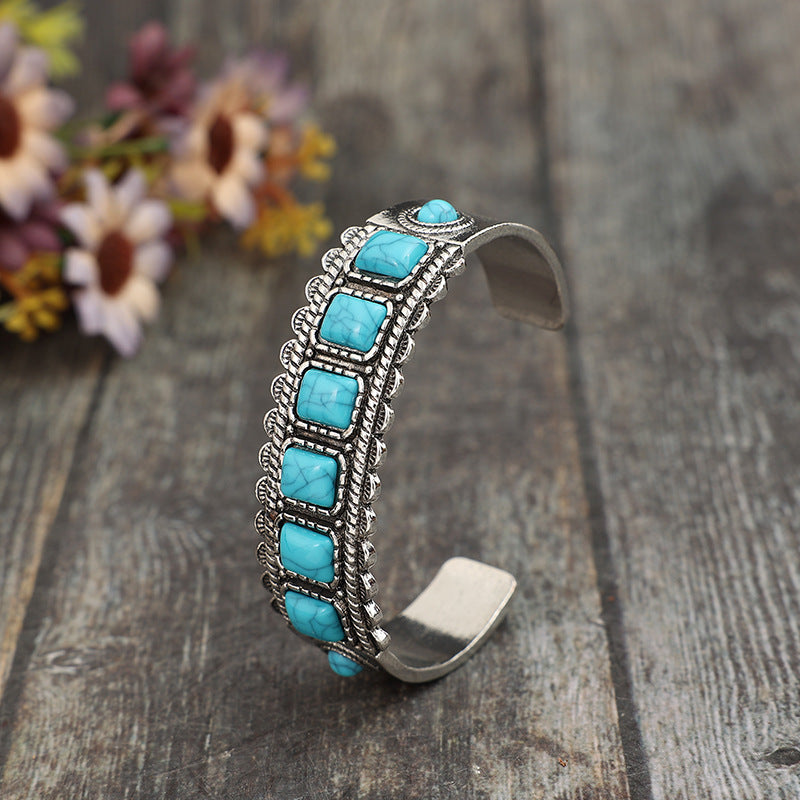
Wrist zone: Turquoise Boho Vintage Geometric Cross Bracelet for Women
The Turquoise Boho Vintage Geometric Cross Bracelet for Women brings several visual descriptors into one wrist-level piece. Use that complexity as a reason to simplify the nearby sleeve and ring zone, not as proof of material or origin. Check the current construction, closure or opening, wrist fit and whether the item will share space with a watch, desk, bag strap or jacket cuff.
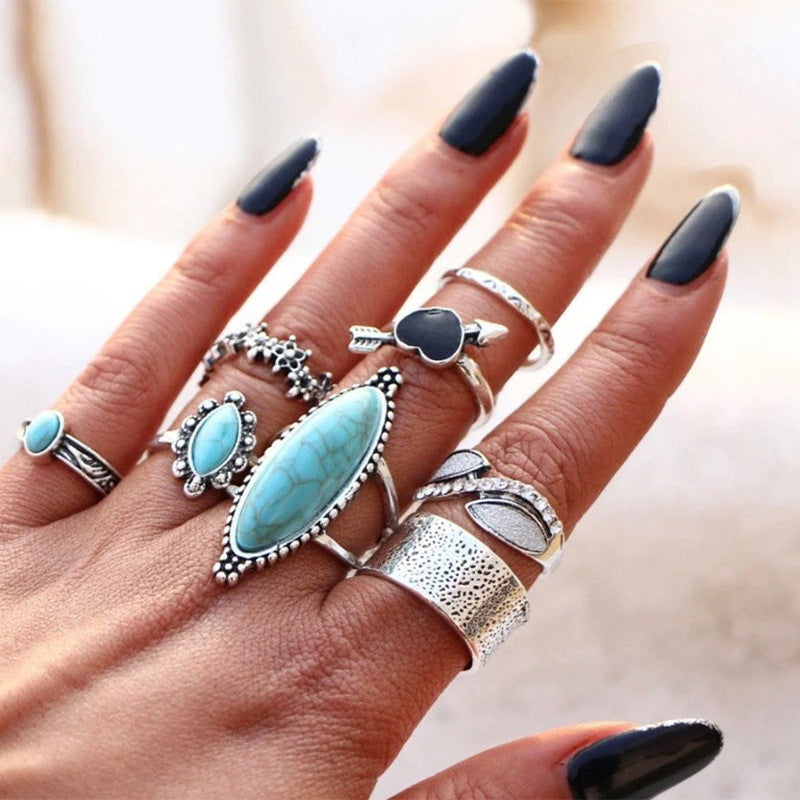
Hand zone: Turquoise Vintage Heart Cross Ring for Women
The Turquoise Vintage Heart Cross Ring for Women concentrates heart, cross and blue-green cues in a close-view body zone. Determine the available size and selected option on the live page. Then simulate phone grip, pockets, typing, steering, gloves and handwashing. A ring can be visually strong while remaining easy to combine with clothing, but repeatability depends on fit and hand contact.
The Evidence Boundary: Style Words vs Product Facts
| What you may observe | What it does not prove | What to look for |
|---|---|---|
| Blue-green color | Natural turquoise, treatment or geographic source | Explicit material statement and any available documentation |
| Silver-colored surface | Sterling silver, plating type or metal purity | Stated base metal, fineness or plating language |
| Cross, floral, heart or geometric motif | Maker identity, cultural affiliation, age or origin | Documented maker and origin when those facts matter |
| Close-up product image | Exact body scale, weight or comfort | Measurements, construction and category-specific fit information |
This boundary keeps style language useful without turning it into an unsupported authenticity claim. A shopper can prefer a turquoise-colored geometric necklace because it suits a wardrobe. That preference does not require inventing a gemstone, metal or origin story.
The Five-Hanger Wardrobe Test
Before buying, choose five garments you already own and place them together physically or in photos:
- A plain light top or dress.
- A plain dark top or dress.
- Your most-worn denim layer or jeans.
- A patterned, embroidered or textured garment.
- A real work, travel or event outfit.
Assign the jewelry a job with each hanger: anchor, accent, stack member or no role. A piece does not need to work with all five. Three clear roles usually indicate useful wardrobe reach; one clear role suggests a deliberate occasion purchase. Zero clear roles means the product may require new clothing to become wearable, which should be included in the real cost of the decision.
For a light solid, test whether the motif and edge remain visible. For a dark solid, check whether the color or surface separates from the background. With denim, inspect collars, pockets, buttons, seams and sleeve placement. With a patterned garment, reduce nearby competition. For the real-world outfit, add the coat, bag, hat, glasses, watch and shoes that will actually be present.
One Piece, Coordinated Pair or Full Stack?
Buy one piece when the role is still being tested
A single earring, necklace, bracelet or ring category is the lowest-complexity way to test a new western direction. Give it visual space and learn whether the motif, body zone and contact work. Starting with one zone is especially useful when your wardrobe already includes embroidered yokes, large buckles, fringe, boots, patterned bags or strong hardware.
Choose a coordinated pair when two zones can share one property
A pair does not need to be a matching set. Repeat one property—blue-green color, a cross, floral form, geometric line or similar surface temperature—at different scales. Keep one zone dominant. Earrings plus a smaller ring can frame the outfit vertically; a necklace plus bracelet can connect the center and hand without crowding the face.
Build a stack only after checking space and movement
Stacks add contact. Necklaces need separated endpoints and compatible chains or cords. Bracelets need room for wrist bend and should not interfere with a watch or desk. Rings need neighboring-finger clearance. The short third-party video below gives a visual example of western-inspired layering, but use it as styling context rather than proof that any Oroxen product shares the video’s materials, makers or origins.
Third-Party Video: Western Jewelry Layering Context
How to layer and style Western and Native American Inspired Jewelry, published by Cactus and Coral Country Boutique, is included because it shows how several pieces can be distributed across body zones. It is independent third-party content, not an Oroxen endorsement or product demonstration. Its title and visuals do not authenticate the gemstone, metal, treatment, maker, community or origin of any Oroxen item.
Buying for Real Settings
Everyday and errands
Prioritize contact and repeatability. Choose the body zone least affected by your usual phone, bag, coat and transportation. If earrings conflict with headphones, try a hand-level accent. If a ring conflicts with gloves or frequent washing, a necklace may be more practical. “Everyday” is a description of fit with routine, not a promise attached to a product category.
Work
Start with actual workplace rules. Customer-facing, clinical, food, machinery, laboratory and physical roles can have different requirements. A compact accent may be acceptable in one setting and unsafe in another. Consider sound, movement, snag risk, gloves, protective equipment and the need to remove jewelry. The article How to Style Western Jewelry With Denim, Dresses, Boots and Workwear provides outfit formulas, but workplace policy always wins.
Country concerts and rodeos
Use one clear anchor and test it with walking, sitting, dancing, crowds, weather and outerwear. Check bag straps and venue restrictions. Large earrings may meet a hat or hair; bracelets may contact railings and bags; necklaces may move against buttons. Use the Country Concert Jewelry Guide for a venue-first decision rather than assembling an outfit from photographs alone.
Travel
Choose pieces that work with multiple tops and can be stored separately. Photograph what you pack, keep small parts together and avoid bringing jewelry into situations where loss would cause disproportionate concern. Recheck destination rules and activities. A versatile accent may produce more outfits than a large stack that needs special storage.
Gifts
A gift needs evidence and reversibility. Avoid guessing ring size or material sensitivity. Confirm what is included, what option is selected and whether the recipient regularly wears that body zone. The Western Jewelry Gifts for Her guide adds recipient, occasion, sizing and giftability checks.
Ten Questions to Answer on the Live Product Page
- What exact product and option am I ordering?
- What dimensions or sizes are stated?
- What closure, chain, cord, cuff, stretch or band construction is described?
- Which material words are explicit, and which impressions come only from color or photography?
- Is the pictured combination one item, one set or several separately styled products?
- Where will the piece touch my body, clothing, equipment and accessories?
- Can I assign it a role with at least three garments I already own?
- Does it fit the safety and dress rules of the intended setting?
- What are the current shipping timing and return conditions?
- What information would change my decision if it were missing or different?
Current price, availability, options and policy can change, so check them at the time of purchase. A blog can organize the decision; it cannot replace the live product page.
Western Jewelry for Women FAQ
What should a beginner buy first?
Start with the body zone you already wear most and choose one defined role. A familiar category reduces the number of new fit and contact variables. Browse the focused Western Jewelry for Women collection before expanding to the broader Western Jewelry collection.
Does western jewelry have to contain turquoise?
No. Western styling can use floral, cross, heart, horse, geometric, engraved-looking, crystal, leather-colored or other visual directions. When a product uses the word turquoise, verify whether it describes color, style or an explicitly stated material.
Can I mix western jewelry with ordinary clothing?
Yes. A solid tee, knit, button-down or dress can provide a clear background. Denim can add a second western cue, but it is not required. Use the Five-Hanger Wardrobe Test to prove that the piece works with clothes you already own.
How many western pieces should I wear together?
There is no universal number. Begin with one anchor. Add a second zone only when it repeats one property at a smaller scale and does not create contact or visual competition. A stack should be tested for movement, clearance and comfort.
Are blue-green pieces natural turquoise?
Color alone cannot establish gemstone identity. Use the explicit material statement and any documentation on the live listing. If the page does not establish natural turquoise, describe the item by its visible color or stated style instead.
How do I choose between earrings and a necklace?
Choose earrings for face-level visibility when hair, glasses, hat and collar allow it. Choose a necklace when your usual necklines provide a stable background and the pendant endpoint avoids buttons, pockets and hardware.
What makes western jewelry wearable every day?
Repeatability comes from wardrobe compatibility, correct fit, manageable body contact and suitability for real settings. It is not guaranteed by small size, low price or an “everyday” label.
Where should I browse next?
Compare the complete Western Jewelry for Women collection, the smaller Western Jewelry Bestsellers edit, or the full Western Jewelry collection. For blue-green options, use Turquoise Jewelry. Return to the Oroxen home page for the main store navigation.
Final RIDER Card
- Role: anchor, accent or stack member?
- Information: which claims are explicitly stated?
- Dimensions: what must fit the body and clothing?
- Everyday contact: what will the piece touch during real movement?
- Return readiness: what is the plan if scale, fit or option differs from expectation?
Western jewelry becomes easier to buy when the decision is grounded in a role, a listing and a real wardrobe. Use style words to explore, evidence to describe, dimensions to fit, contact to predict wear and current policies to protect the decision. That sequence makes room for personality without asking a photograph to prove facts it cannot establish.