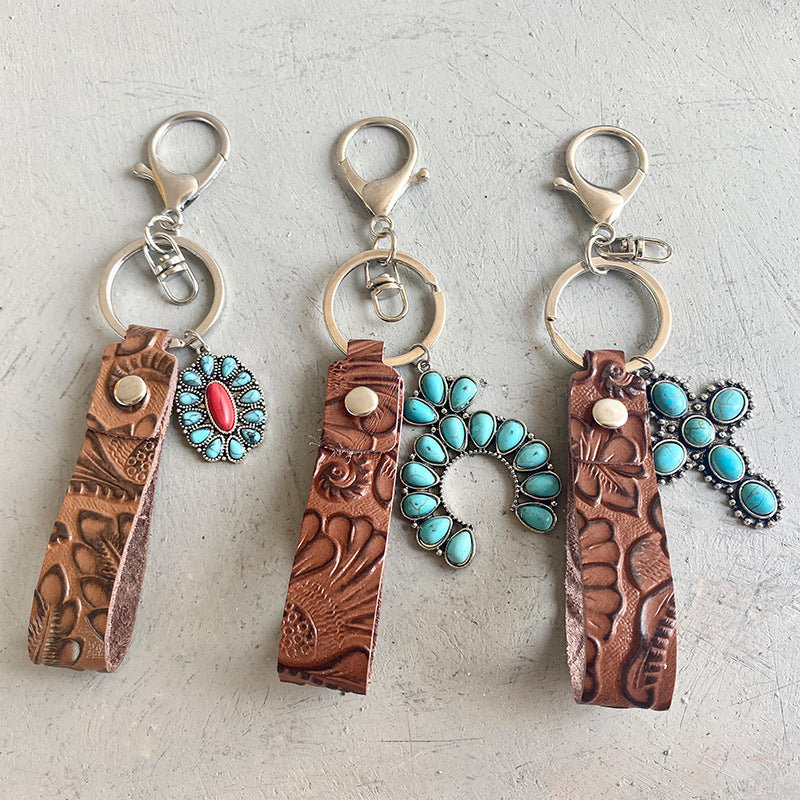
Turquoise Jewelry for Men with a Wedding Guest Look: What Works and What Does Not
Turquoise jewelry for men can bring color and Western-inspired character to a wedding guest outfit, but “add a turquoise piece” is not a complete styling instruction. A necklace may cross a shirt opening or disappear under a jacket. An earring can become the face focal in every photograph. A buckle, watch, tie, pocket square, lapel detail, and boot may already be carrying visual information. The useful question is not whether men can wear turquoise color; it is how much information the finished outfit can hold without losing clarity, comfort, or respect for the occasion.
This guide uses a signal budget. Every visible accessory spends attention through four channels: color, scale, texture, and symbolic form. A wedding guest look works when one channel leads, one or two channels quietly connect the outfit, and the remaining signals are reduced. It does not work when several pieces demand equal attention or when an appearance word is treated as proof of material, origin, age, maker, or cultural identity.
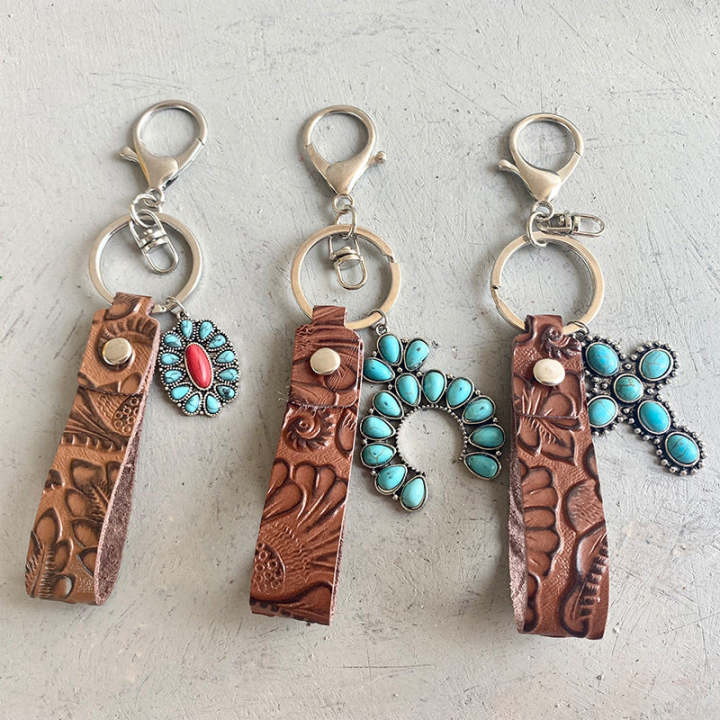
Quick Answer: Spend Attention Deliberately
What works is choosing one focal role, checking it against the invitation, and rehearsing the exact outfit. A turquoise-colored necklace can lead color while its scale remains moderate. A statement earring can lead scale while the shirt, jacket, and hand accessories remain quiet. A smaller accent can bridge blue-green color to a pocket square or subtle fabric detail without requiring an exact match.
What does not work is buying from a close product photograph and assuming that “Western,” “turquoise,” “vintage,” “leather,” “statement,” or “cross” answers the mechanical questions. Confirm the selected option, included contents, dimensions, mass, closure, materials, finish, decorative components, skin-contact parts, care, availability, delivery timing, and return terms. Keep unconfirmed cells blank.
The Turquoise Jewelry Guides hub provides broader navigation. Use this article for the final outfit decision rather than as a substitute for the current product pages or host instructions.
Set the Budget with the Invitation
A wedding invitation defines the environment in which the jewelry will be read. Check the stated dress code, time, venue, weather, travel plan, and any cultural or religious guidance supplied by the couple. A formal evening ballroom, daytime garden, courthouse gathering, destination event, and ranch celebration do not create the same signal budget. The hosts' explicit directions carry more weight than a general internet rule.
Translate the event into four limits. First is visual volume: how strong can an accessory appear before it competes with the clothing or occasion? Second is motion: will there be long sitting, greetings, dancing, a coat, or headphones during travel? Third is contact: what will touch the neck, ear, collar, phone, bag, or table? Fourth is timing: can the exact option arrive early enough for inspection and rehearsal?
Identity is not a styling shortcut. The phrase “turquoise jewelry for men” describes an audience query, not a rule about who may wear a product. Likewise, Western or turquoise styling does not prove natural turquoise, a specific metal, leather composition, age, handwork, region, tribe, nation, or cultural affiliation. The published Western jewelry motifs, styles, and materials guide helps separate observed form from documented identity.
Channel 1: Color Works When It Has a Job
Blue-green color can act as a focal point, a bridge, or a small interruption in a neutral outfit. Choose one job. With a charcoal suit and plain shirt, it may be the only saturated color. With a patterned shirt, it may repeat one minor tone. With an already colorful jacket, it may be unnecessary. The signal budget improves when color has a purpose rather than appearing in every accessory.
Exact matching is rarely required. A forced near-match between jewelry, tie, pocket square, socks, and boot detail can make the color feel like a uniform theme. Coordinate through value, temperature, or spacing instead. A single blue-green accent near the face may be enough; a second quieter repeat at the hand or pocket can build continuity.
Screen color varies with lighting, display, and photography. Both live product pages reviewed for this article told shoppers to examine the product images and selected option and noted that color may vary slightly by screen. Do not promise that a product will match a garment from two unrelated digital photographs. Compare in person during the return window whenever possible.
Channel 2: Scale Works When the Outfit Keeps a Hierarchy
Scale includes total length, maximum width, decorative drop, mass, movement, and distance from the face. A small piece with high contrast may spend more attention than a larger low-contrast piece. A necklace partly hidden by a shirt can produce less visual volume than a moving earring beside the face. Measure the complete relationship rather than labeling a product “bold” or “subtle” in isolation.
Put on the exact shirt, jacket, tie or open collar, eyewear, and planned outer layer. Photograph the outfit from portrait distance and full-body distance. Sit, turn, hug, use a phone, remove the jacket, and look down. If the piece catches, shifts, disappears unpredictably, strikes the collar, or needs repeated correction, the scale is not working for that outfit even if the color is appealing.
One useful rule is face first, garment second, accessory third. This is not a requirement that jewelry be small. It means the hierarchy remains readable. The existing Western jewelry styling guide for denim, dresses, boots, and workwear offers more ways to test proportion across different clothing structures.
Channel 3: Texture Works Through Contrast, Not Repetition
Texture comes from fabric weave, leather-like surfaces, polished or antiqued-looking areas, hair, facial hair, stitching, embroidery, and hardware. A smooth suit can give a highly textured accessory room. A tweed jacket, patterned shirt, tooled belt, textured boots, and layered necklace may produce too many competing surfaces.
Choose one dominant texture family. If the necklace presents a visually complex arrangement, simplify the tie, shirt pattern, and lapel. If the jacket is the textured lead, select jewelry with a cleaner outline. Do not infer actual leather type, metal, stone, finish chemistry, or construction from visible texture. Record appearance separately from documented components.
Contact testing matters. A textured or multi-part piece may interact with stubble, chest hair, shirt placket, knit, or collar. Test only an item already owned and safe to wear; for a product not yet received, request measurements, mass, closure, and component information before depending on it.
Channel 4: Symbolic Form Needs Context
A cross-shaped, floral, animal, geometric, or other recognizable form can carry personal, religious, cultural, regional, or purely decorative meaning. Do not assume one meaning for the wearer, product, host, or audience. If a visible symbol matters to the event or wearer, confirm whether it is appropriate and intentional.
A product title containing “cross” documents the seller's label for a visible form. It does not by itself establish denomination, history, origin, maker, sacred status, or the wearer's belief. The same restraint applies to Western and turquoise words. Use specific identity claims only when reliable item-specific documentation supports them.
When uncertainty could affect respect for the ceremony, ask the hosts or choose a neutral alternative. A signal budget is not only aesthetic; it also makes space for context.
Live Option One: Five Necklace Designs, Five Separate Decisions
The live Western Turquoise Vintage Floral Leather Necklace page displayed at $141.40 USD during review. Its Size selector showed Design 1 through Design 5, with Design 1 selected. The visible copy used Western, turquoise, and vintage styling language and suggested casual, Western-inspired, occasion, and gifting use.
What works is treating Design 1 as the beginning of one product record. Save the exact label and image, then request total wearable length, decorative width and drop, mass, closure, adjustment range, included quantity, materials, the basis for the word leather, finish, turquoise-looking component identity, skin-contact parts, and item-specific care. Confirm whether each of the five designs shares any specification.
What does not work is assuming the five labels are color variations of one mechanically identical necklace. Images may suggest differences, but the inspected text did not provide written dimensions or a complete specification map. It also did not document natural turquoise, exact metal, leather type, maker, age, origin, or cultural affiliation. The product name should be preserved without converting it into unsupported component claims.
For a wedding guest outfit, test the shortlisted design against the shirt opening and jacket lapel. An open collar can create a neckline frame; a tie and closed collar create another. A longer or wider decorative section may overlap buttons, pocket, or jacket edge. Ask for measurements before constructing an outfit around a landing point that has not been established.
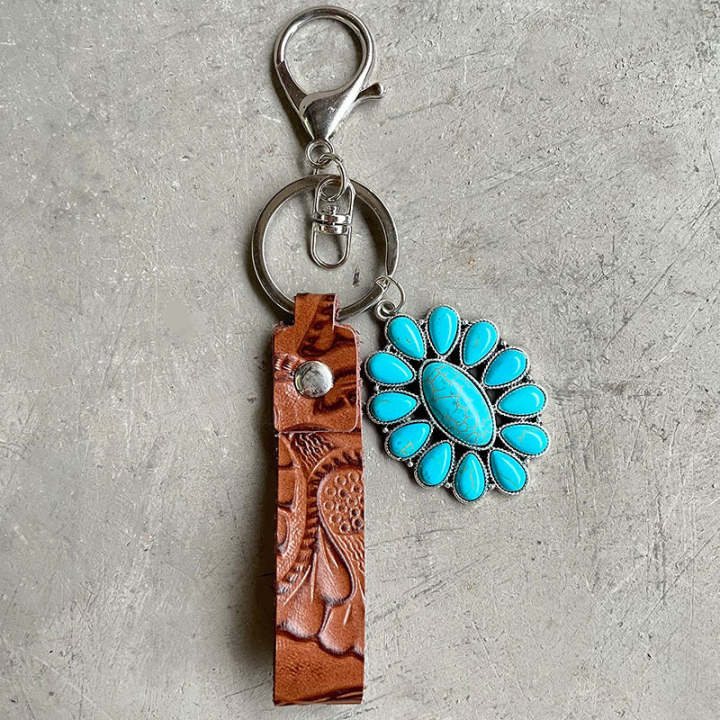
Live Option Two: One Unnamed Color Selection
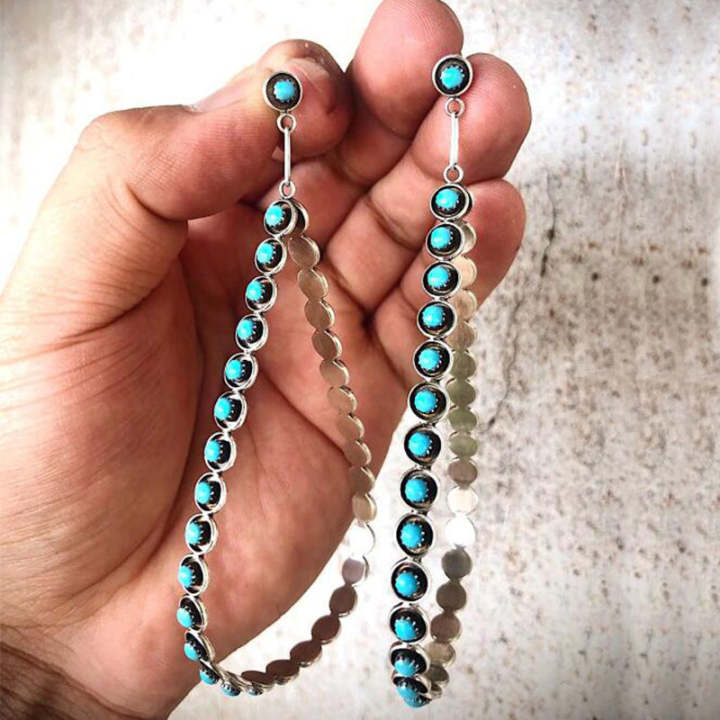
The live Turquoise Statement Cross Earrings page displayed at $127.26 USD during review. It showed a Color heading and one selected radio without a readable label in the inspected state. The page described turquoise, statement, and cross design details and suggested everyday, Western-inspired, occasion, and gifting contexts.
What works is recording the selection exactly: one selected Color radio; label not readable. Ask the seller to confirm the option name, pair quantity, total length, maximum width, decorative drop, mass per earring, post or hook, backing, materials, finish, turquoise-looking component identity, skin-contact parts, and care. Then test the exact design with glasses, hair, facial hair, collar, jacket, phone, and normal movement.
What does not work is naming the option from appearance or assuming that an earring page always includes one pair and standard backs. The inspected text did not state those details. It also did not prove natural turquoise, metal composition, age, maker, origin, or religious meaning. A statement earring can work for any wearer who chooses it and passes the dress-code, fit, comfort, and context checks; its suitability is not determined by the gendered keyword.
Four Outfit Formulas and Their Failure Points
Formula A: Neutral tailoring, necklace as the color lead
Use a quiet shirt and jacket, choose one verified necklace design, and reduce the tie, lapel pin, pocket square, and belt signals. This works when the necklace landing point is clear and the collar does not trap or hide it. It fails when the decorative section repeatedly collides with buttons or lapels, or when an unknown length is treated as certain.
Formula B: Open collar, earrings as the scale lead
Leave the neckline visually simple and use one verified earring option to frame the face. A small color repeat can appear in the pocket or sock if desired. This works when the exact earring clears hair, glasses, collar, and phone. It fails when a heavy or moving design is selected without dimensions or mass.
Formula C: Textured jacket, jewelry as a quiet bridge
Let tweed, embroidery, or another garment texture lead. Choose jewelry by clean outline and low visual competition, even if the product is marketed as a statement. This works when the accessory connects one color or finish. It fails when a floral necklace, cross earring, patterned shirt, buckle, watch, and boot all become simultaneous focal points.
Formula D: No jewelry focal
A watch, meaningful ring already owned, pocket square, or well-cut garment can use the available attention budget. Turquoise jewelry is optional. This works when the outfit already communicates enough. It fails only when the wearer adds an uncertain rush purchase because a keyword suggested that the look was incomplete.
The published guide on jewelry for a country concert provides a useful contrast. The same accessory may need a different scale, movement tolerance, and etiquette calibration at a wedding.
Use the Related Video Without Turning It into Evidence
The corresponding video selected in the content map is “Turquoise in Rings” by Turquoise in America. Only the title, channel, URL, and broad turquoise-jewelry relationship are used here. The video was not watched in full for this draft, so no scene, statement, demonstration, material identification, authentication, value, history, or care recommendation from it is cited.
The title concerns rings, while the live examples in this article are a necklace listing and earrings. Do not transfer a ring's material, construction, provenance, fit, or care to either product. Use current product-page facts, written seller clarification, and item-specific professional evaluation when needed.
A Signal-Budget Checklist Before Checkout
- Confirm the invitation, dress code, venue, weather, and host guidance.
- Name the one accessory or garment that should lead attention.
- Assign color, scale, texture, and symbolic-form roles.
- Record the exact product title, selected label, date, image, and price.
- Confirm included contents, dimensions, mass, closure, and adjustment range.
- Confirm materials, finish, decorative components, and skin-contact parts.
- Request item-specific care instead of using a universal method.
- Test collar, lapel, hair, glasses, phone, coat, bag, and movement.
- Photograph the outfit from portrait and full-body distance.
- Reduce every signal that competes with the intended lead.
- Verify availability, delivery estimate, and the complete current return policy.
- Choose a fallback already owned if a blocking fact remains unknown.
Browse the Turquoise Jewelry collection to compare silhouettes, then use the wider Western Jewelry collection to see whether a quieter alternative protects the budget better. A collection creates a shortlist; only the exact selected page and verified answers can complete the record.
Frequently Asked Questions
Can men wear statement earrings to a wedding?
Yes, when the host's guidance permits them, the wearer wants the look, and the exact option passes fit, comfort, context, and outfit-hierarchy checks. The keyword or gender label does not determine suitability.
Should a necklace be worn over or under a shirt?
Either can work, depending on the exact length, decorative dimensions, shirt opening, tie, jacket, and intended visibility. Map the landing point with accurate measurements and test the completed outfit. Do not rely on a model image from another body or garment.
Can the leather and turquoise words in a title prove the materials?
No. Preserve the product title, but obtain a component list and documentation before making material claims. Visible color or texture cannot identify natural turquoise, leather type, metal, treatment, or finish composition.
How many Western-inspired details are too many?
There is no universal count. They become too many when the outfit loses a readable hierarchy, physical interactions create discomfort, or the guest no longer feels aligned with the invitation. The signal-budget photograph makes the decision easier.
What should a shopper do about an unnamed Color option?
Record that the label is unreadable, save the current image, and ask the seller to identify the exact selected option in writing. Do not invent a name from appearance.
Where should the reader continue?
Visit Oroxen, compare the linked collections, and review the complete Western turquoise jewelry buying guide. Resolve the first unknown that can change fit, comfort, meaning, timing, or care before adding the item to the cart.
Conclusion: A Clear Look Has a Clear Budget
Turquoise jewelry can work in a men's wedding guest look when it supports the invitation and the wearer rather than accumulating signals. Give one channel priority, keep the product record exact, and test the item against the real collar, jacket, glasses, hair, phone, movement, and photography distance. Reduce anything that competes without adding purpose.
The approach also identifies what does not work: unsupported material or origin claims, unrecorded variants, unclear fit, symbolic assumptions, deadline pressure, and accessories chosen only because a product photograph looked complete. A signal budget turns styling into a sequence of decisions. The result can be expressive, restrained, bold, or quiet—but it remains documented, wearable, and appropriate to the celebration.