Men's Turquoise Jewelry in a Capsule Wardrobe for Country-Music Fans
A capsule wardrobe succeeds when a small number of pieces solve repeat situations without demanding constant adjustment. Jewelry belongs in that system only when it has a clear job, works with the wearer's actual clothes, and can be evaluated from reliable product information. Men's turquoise jewelry can supply blue-green color, Western-inspired texture, or a cross-shaped accent, but a themed title does not prove material, fit, origin, or who may wear it.
This guide builds a twelve-slot tour case. Six clothing slots and six situation slots form a compact testing grid. A necklace or earring candidate earns a place only after it supports several real combinations, passes a movement check, and has enough documented specifications for the wearer. The method is designed for country-music fans, but it does not require a costume or assume that music taste equals consent to a particular symbol.
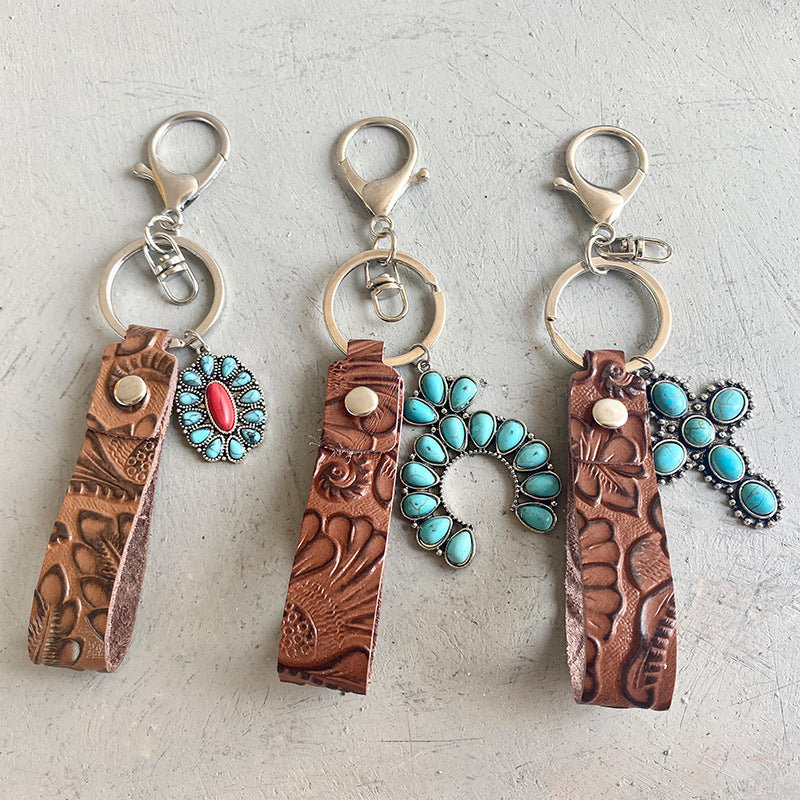
Quick Answer: Build Around Repeat Outfits
Choose six garments already worn often: one plain tee, one button shirt, one denim or work jacket, one dressier top or jacket, one warm layer, and one weather-appropriate alternative. Then define six situations: ordinary day, work-appropriate setting when permitted, dinner, concert, celebration, and travel. Place each jewelry candidate into the grid and count only combinations the wearer would actually use.
Before purchase, verify exact option, included pieces, dimensions, wearable length or size, mass, closure, connectors, backs, materials, finish, turquoise-colored component identity, skin-contact parts, item-specific care, current availability, delivery estimate, and return conditions. Product images can guide silhouette comparison; they cannot establish those facts.
The Turquoise Jewelry Guides hub provides broader category navigation. The tour-case method below turns that browsing into a disciplined capsule.
Clothing Slot One: The Plain Tee
A plain crew, V-neck, or open-collar tee provides the cleanest background for testing visual scale. Photograph the candidate at normal conversational distance rather than judging only a product close-up. Note whether a necklace lands over fabric, disappears inside the collar, or competes with a print or pocket. For earrings, check hair, facial hair, glasses, hat, and neckline together.
One blue-green accent may be enough. A second turquoise-colored piece should have a separate role, such as connecting a belt or ring, rather than automatically forming a set. Capsule value comes from repeat use, not the number of matching objects.
Clothing Slot Two: The Button Shirt
Test the shirt buttoned to the wearer's usual point and again with the collar open if that is a real outfit. Record whether a necklace crosses the placket, sits beneath a collar point, or contacts a snap or button. A long decorative element may move as the wearer leans; an earring may occupy the quieter face zone when the shirt already has strong pockets or Western-inspired yokes.
Do not change normal dressing practices simply to accommodate an undocumented item. The jewelry should fit the wardrobe, not require a fictional version of it.
Clothing Slot Three: Denim or Work Jacket
A jacket adds lapels, seams, metal hardware, pockets, and a second neckline. It can strengthen a Western-inspired direction without any jewelry. Assign the accessory one role: focal color, line echo, or quiet detail. If the jacket hardware already leads, reduce jewelry scale or choose another body zone.
The published guide to styling Western jewelry with denim, dresses, boots, and workwear offers additional ways to distribute visual weight. Complete the check with the jacket open, closed, seated, and during normal arm movement.
Clothing Slot Four: The Dressier Layer
A blazer, dark shirt, fine knit, or other dressier piece does not require jewelry to become invisible. Use contrast deliberately. A turquoise-colored center can serve as the only saturated point against charcoal, navy, cream, brown, or black. A cross or floral outline can provide stronger visual information, so remove competing motifs elsewhere.
Context remains decisive. Confirm workplace, ceremony, restaurant, or host expectations. A product's “occasion” wording is not a universal dress-code approval.
Clothing Slot Five: The Warm Layer
Sweaters, overshirts, scarves, and coats create contact. Rehearse dressing and undressing with an already-owned safe item of comparable known scale. Mark every point where the jewelry meets fabric, zipper, collar, or scarf. Do not infer smoothness, snag resistance, or durability from an image.
If removal may be needed, assign a closed compartment before leaving home. A capsule piece is less useful when each layer change creates a loss risk.
Clothing Slot Six: The Weather Alternative
Add the shirt or layer used when the forecast changes. The same jewelry may land differently against a rain shell, lightweight overshirt, summer collar, or winter coat. This sixth slot prevents a capsule from working only in one staged photograph.
Care questions belong here. Until exact components and instructions are documented, avoid universal guidance about water, sweat, chemicals, polishing, heat, ultrasonic equipment, steam, oil, or cleaning solutions.
Situation Slots: Give the Capsule Real Jobs
For ordinary days, prioritize uncomplicated wear and a secure removal plan. For work, follow policy and safety requirements. For dinner, test seated posture and table reach. For concerts, consider crowd movement, heat, venue rules, and headphones used in travel. For celebrations, respect the host and wearer. For travel, protect small parts and keep purchase or identification records when useful.
A candidate does not need to work in all six situations. Three or four genuine uses can be more valuable than six theoretical ones. Cross out any square that depends on unknown fit, incompatible symbolism, or an outfit the wearer does not own.
The published country concert jewelry guide provides a focused movement check. Apply only the parts relevant to the actual wearer and venue.
Browse by Shape Before Marketing Language
Use the Turquoise Jewelry collection as a silhouette index. Sort candidates into compact, elongated, geometric, floral, cross, clustered, or layered forms. Then compare each shape with the twelve slots. Save the exact product page, option label, date, and matching image.
Open the wider Western Jewelry collection to consider a different body placement. If necklaces conflict with every jacket collar, a documented ring, bracelet, or earring may solve the visual goal. Men's, women's, cowgirl, or cowboy labels are navigation language, not limits on who may wear an item.
The published guide to Western jewelry motifs, styles, and materials helps separate visible design from unsupported composition and cultural claims.
Run a Seven-Day Rotation Audit
Before buying, copy one ordinary week onto seven lines. Record the actual shirt, outer layer, travel method, work or social context, and accessory restrictions for each day. Add the proposed jewelry only where it can be worn without changing the day into a styling fantasy. A free Saturday square does not compensate for five weekdays in which the item conflicts with policy, equipment, collars, or the wearer's preference.
Give every successful square a verb: commute, present, dine, drive, walk, listen, or celebrate. The verb reveals the motion the piece must tolerate and the objects it may meet. A necklace square may require a seat-belt and collar check. An earring square may require a headphone and eyewear check. Unknown construction or fit keeps the square blank until the missing answer arrives.
At the end of the audit, identify one anchor outfit and two legitimate variations. The anchor is the easiest repeat combination, not the most dramatic photograph. Variation one changes the outer layer; variation two changes the situation. If the jewelry survives both changes comfortably and retains a clear visual role, it has earned evidence of capsule utility.
Keep rejected squares. They explain why a second body placement might eventually add value and prevent buying another item with the same conflict. A capsule becomes more efficient when its “no” decisions are documented as carefully as its selections.
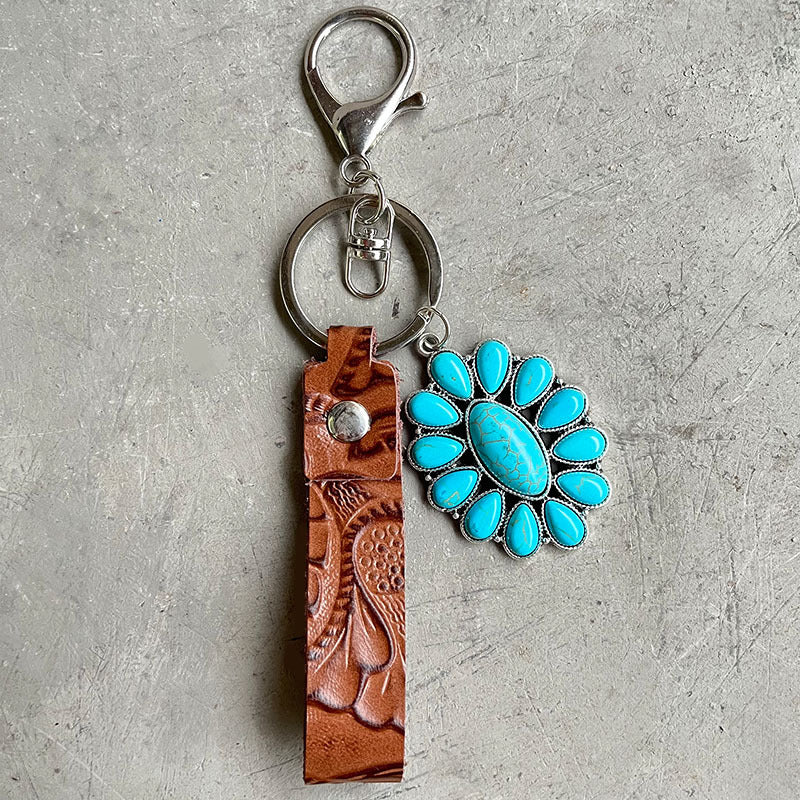
Product Path One: Western Turquoise Vintage Floral Leather Necklace
The live Western Turquoise Vintage Floral Leather Necklace page displayed $141.40 USD during review. Under Size, it listed Design 1 through Design 5, with Design 1 selected. The page used Western, turquoise, vintage, floral, and leather wording in its title and suggested everyday, Western-inspired, occasion, and gifting use.
The inspected page did not provide an exact contents statement, wearable length, adjustment range, decorative dimensions, mass, connectors, closure, verified material list, finish, turquoise-colored component identity, skin-contact parts, item-specific care, maker, age, origin, or cultural affiliation. The word leather in the title should not replace a complete component disclosure.
Map each design separately. A five-option listing does not establish that the designs share length, mass, construction, or parts. For the capsule, test the selected option against the tee, button shirt, jacket, and warm layer. Ask where it lands and how its closure operates before counting any situation square.
Product Path Two: Turquoise Statement Cross Earrings
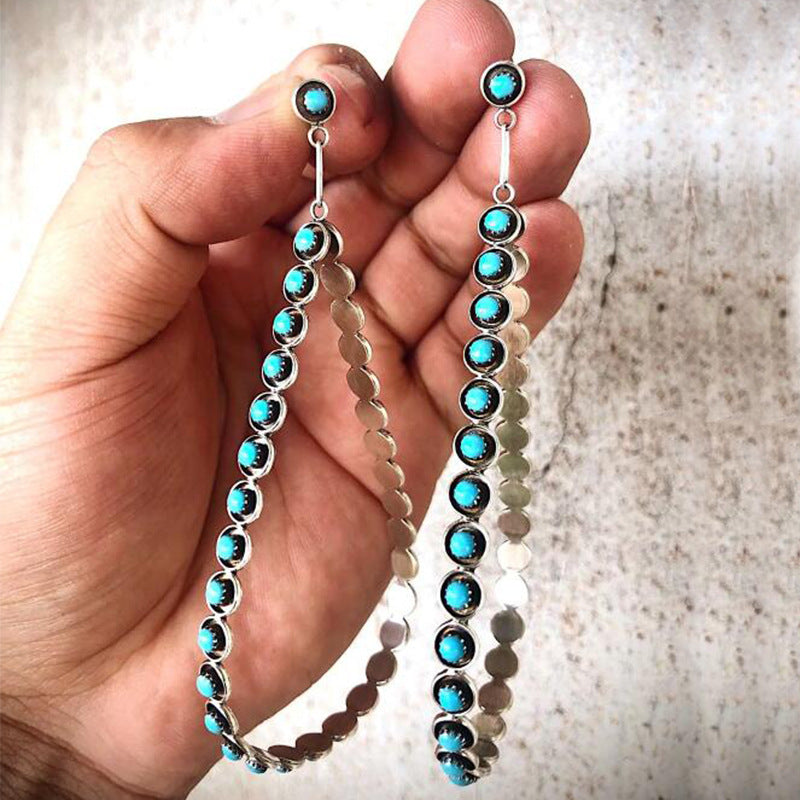
The live Turquoise Statement Cross Earrings page displayed $127.26 USD during review. It showed a Color option labeled Silver and selected. Its visible copy used turquoise, statement, and cross design language and suggested casual, Western-inspired, occasion, and gifting contexts.
The inspected text did not document included pair or piece count, dimensions, mass per earring, closure, posts or hooks, backs, materials, finish, turquoise-colored component identity, skin-contact components, care, maker, age, origin, or cultural affiliation. Silver is the displayed color label, not proof of silver content.
Earrings move the capsule accent away from shirt and jacket plackets, but they introduce different contact questions involving hair, eyewear, hats, collars, hearing devices, and headphones. A cross form also requires the wearer's own preference and context. Do not infer meaning or suitability from the product title.
Score Utility Without Inventing Quality
| Tour-case test | Necklace path | Earring path |
|---|---|---|
| Observed price | $141.40 USD | $127.26 USD |
| Displayed options | Design 1–5 | Silver color |
| Primary contact zone | Neckline, torso, layers | Ear, hair, headwear |
| Key evidence gap | Length, contents, components | Pair count, mass, closure, components |
A useful score counts verified outfit and situation squares, not price, option count, or promotional adjectives. Neither path is universally more masculine, authentic, durable, or versatile. Choose the body placement and form the wearer wants, then resolve every required specification.
Related Video: Metadata Only
The corresponding video is “Turquoise Necklaces” by John Hartman. This article uses only the verified title, channel, URL, and broad necklace-topic relationship. The video was not watched in full, so no statement, demonstration, material identification, historical account, care technique, or recommendation from it is cited.
The video cannot verify either Oroxen product. Use current product pages, written seller clarification, the wearer's own measurements and preferences, and appropriate professional assessment when material identity matters.
Capsule Errors to Remove
- Buying for an imaginary wardrobe: the accessory works with clothes the wearer does not own.
- Counting unknown squares: fit or closure has not been verified.
- Matching every detail: turquoise color is repeated without hierarchy.
- Title becomes composition: leather, turquoise, vintage, or silver language is treated as complete material proof.
- Music taste becomes symbol consent: a cross or Western motif is assumed welcome.
- Travel has no storage route: jewelry is removed into an open pocket.
- Price becomes durability: cost substitutes for construction evidence.
The published complete Western turquoise jewelry buying guide adds further product-evidence questions.
Frequently Asked Questions
How many jewelry pieces belong in a capsule?
There is no required number. Start with one documented piece that works in several real slots. Add another only when it solves a different outfit or body-placement need.
Can earrings be part of men's turquoise jewelry?
Yes, when the wearer wants them and the exact fit and components work. Merchandising labels do not restrict personal presentation.
Does Silver mean the earrings are made from silver?
No. Silver is the displayed color option. Obtain a verified material list before making a composition claim.
Do five necklace designs provide five capsule pieces?
No. They are selectable labels on one listing, not proof that five items are included. Save the chosen option and confirm contents.
What if a piece works with only two outfits?
It may still be worth considering if those outfits are frequent and the wearer values the item. The grid clarifies utility; it does not impose a quota.
Where should the capsule continue?
Visit Oroxen, compare the linked collections, and fill the twelve slots using clothes already in the closet.
Conclusion: Pack Evidence with Style
A jewelry capsule is not a row of near-identical products. It is a small set of dependable roles. The twelve-slot tour case reveals those roles by combining six real garments with six real situations. A candidate earns space through verified fit, comfortable movement, honest identity language, and repeat use.
Keep unknown facts outside the score. A title is not a component list, a color label is not a metal assay, and a photograph is not a measurement. Build the capsule around the wearer rather than a gender rule or music stereotype, and every selected piece will have a reason to travel.
rings