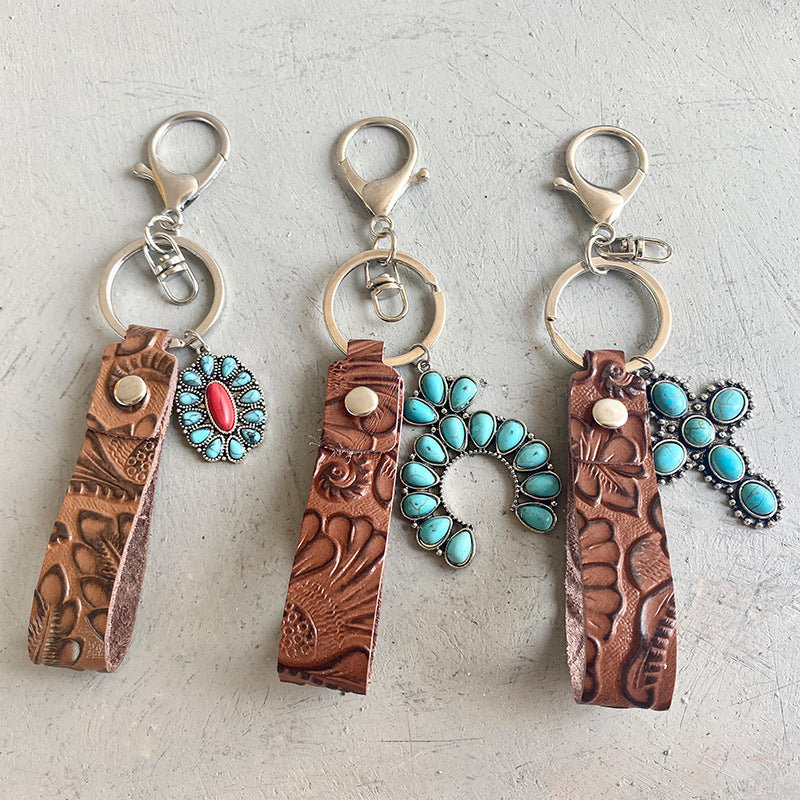
How to Pair Women's Turquoise Jewelry with Leather
Women's turquoise jewelry and leather can create a strong Western-inspired combination because blue-green color and warm textured surfaces are easy to notice together. The same visibility can also make an outfit feel overloaded. A jacket, belt, boots, bag, watch strap, and necklace can each introduce color, grain, stitching, hardware, and movement. Successful pairing depends less on collecting matching items and more on deciding where texture begins, where color repeats, and where the eye gets a rest.
This guide uses an anchor–echo–buffer map. The anchor carries the main visual message. The echo repeats one property—color, texture, line, or finish—at lower volume. The buffer is plain space that prevents the two from merging into one heavy block. A product title may include turquoise, leather, Western, floral, or vintage, but the map never turns those style words into unsupported material, origin, age, maker, or cultural claims.
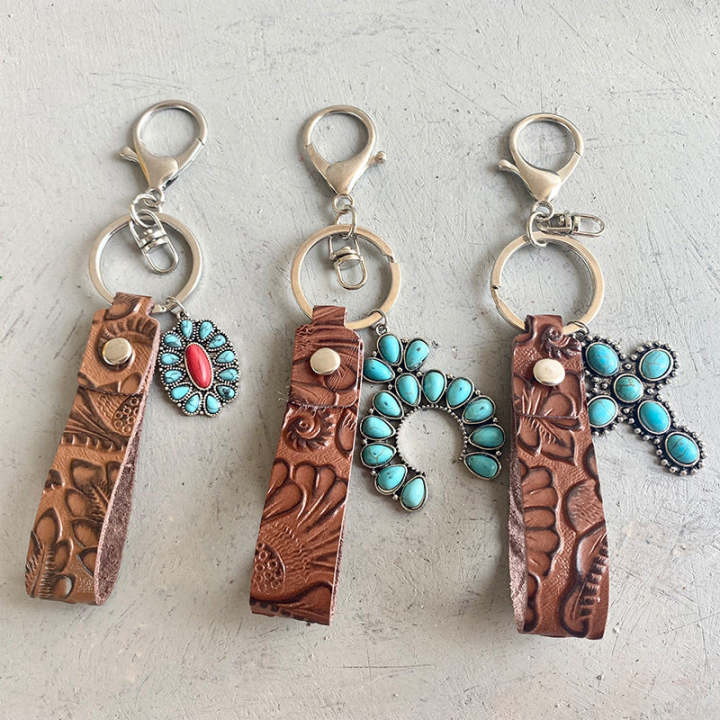
Quick Answer: Pair One Property, Separate the Rest
Choose either the jewelry or the leather garment or accessory as the anchor. Let the other item echo one detail. A turquoise-colored necklace can anchor a plain shirt while brown boots quietly echo its warm, textured appearance. A leather jacket can anchor the outfit while a smaller blue-green accent adds color. Keep a buffer through a simple neckline, solid shirt, bare wrist, restrained belt, or unembellished bag.
Before styling, confirm what each product actually is. Record the exact selected design, included contents, dimensions, mass, closure, materials, the basis for any leather or turquoise wording, finish, decorative components, skin-contact parts, care, availability, delivery timing, and return terms. Visual texture does not identify composition, and a blue-green surface does not prove natural turquoise.
The Turquoise Jewelry Guides hub can help organize broader browsing. Use the map below to edit the final outfit around verified options.
First Separate Leather as a Material from Leather as a Look
Leather can refer to different animal sources, layers, finishes, treatments, constructions, or regenerated and synthetic alternatives. A photograph may also create a leather-like impression without proving any of those categories. When the material matters for ethics, allergies, care, weather, durability, or personal preference, ask for a written component statement for the exact selected option.
Record the seller's wording without upgrading it. If the page title contains leather but the product details do not specify type or composition, write “leather appears in the title; exact material not documented in the inspected text.” Do not use a burn test, chemical, scratch, smell, water, or destructive method to identify an item casually. Appropriate documentation and professional evaluation are safer when the answer matters.
The same discipline applies to turquoise-looking components. Natural, stabilized, treated, reconstructed, composite, dyed, imitation, glass, resin, or another material cannot be distinguished reliably from a general product image alone. The published Western jewelry motifs, styles, and materials guide expands this evidence boundary.
Build the Anchor
Jewelry as the anchor
Use a quiet clothing field: solid shirt, simple knit, plain dress, restrained denim, or an open jacket with a clean neckline. The jewelry can lead through blue-green color, floral or geometric outline, length, or layered detail. Reduce large buckles, highly stitched boots, textured bags, and competing necklaces until the anchor is obvious at portrait distance.
Leather garment as the anchor
A jacket, skirt, trousers, vest, or dress with a strong leather or leather-like surface may already dominate texture. Choose jewelry with a simpler outline or lower contrast. The blue-green accent can remain visible without repeating every Western-associated motif. Open space at the neckline or wrist acts as the buffer.
Boots, belt, or bag as the anchor
A large boot shaft, bold buckle, tooled appearance, fringe, or structured bag can lead the lower or middle zone. Keep the jewelry closer to the face but quieter in scale. Photograph the complete outfit; a close mirror view may underestimate how much visual weight the belt or boots carry from across a room.
The published Western jewelry styling guide provides additional garment-by-garment proportion tests. Adapt them to the documented item rather than treating a pictured outfit as a specification.
Choose One Echo
An echo repeats one quality at lower intensity. It may be a warm brown near the shoe, a small blue-green stitch, a floral line in a buckle, a matte surface, or a single hardware tone. The echo should be noticed after the anchor. If it attracts attention first, it has become a second anchor and the outfit needs another edit.
Avoid exact-match pressure. Digital photographs, lighting, screens, dye lots, finishes, and wear can change color. Two products labeled turquoise or brown may not match in person. Coordination through spacing and value often looks more intentional than several imperfect matches placed side by side.
Echoing a symbolic form requires care. A cross, animal, floral, geometric, or culturally associated shape may carry meanings beyond decoration. Do not assign origin, sacred status, tribal or national affiliation, historical use, or personal belief without reliable context. If the form matters to the wearer or event, make the choice intentionally.
Protect the Buffer
The buffer is the least celebrated part of the outfit and often the most useful. It can be two inches of plain fabric between a pendant and a jacket edge, a bare wrist between a textured sleeve and bag, a solid shirt between a necklace and belt, or unembellished shoes beneath a detailed skirt.
Check the buffer in motion. Close the jacket, move the bag, sit, turn, and use the phone. A gap that exists in a posed photograph may disappear when a lapel shifts or a strap crosses the torso. If necklace, zipper, buckle, and bag hardware collide in one zone, move or remove one element.
Buffer also protects materials. Keep jewelry from repeatedly rubbing against abrasive or unknown surfaces until the seller's care guidance is understood. Do not assume that leather conditioner, metal polish, water, perfume, sanitizer, or another product is safe for both items.
Live Example One: Five Floral-Necklace Designs
The live Western Turquoise Vintage Floral Leather Necklace page displayed at $141.40 USD during review. Under Size, it showed Design 1 through Design 5, with Design 1 selected. Its visible copy used Western, turquoise, and vintage styling language and suggested casual, Western-inspired, occasion, and gifting contexts.
For the map, Design 1 can serve as a possible neckline anchor, but each label needs its own record. Ask for total wearable length, adjustment range, decorative width and drop, mass, closure, included quantity, exact materials, the basis for leather wording, finish, turquoise-looking component identity, skin-contact parts, and item-specific care. Confirm whether the five designs share any specifications.
The inspected text did not document dimensions, mass, closure, material composition, leather type, natural turquoise, maker, age, origin, or cultural affiliation. The product name may be quoted accurately while those details remain unanswered. Do not plan a neckline landing point or care routine from a photograph alone.
Try three buffer arrangements with a measured stand-in: plain crew neckline beneath the piece, open collar framing the piece, and jacket lapels outside the piece. Photograph each from normal distance. Choose the structure that keeps the anchor readable without trapping it between fabric edges.
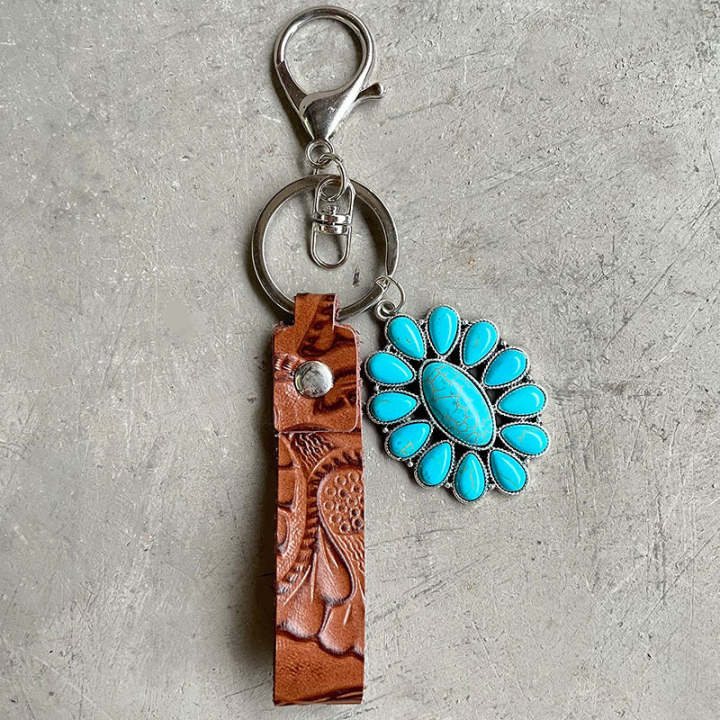
Live Example Two: Six Designs and One Weight Statement
The live Western Turquoise Vintage Leather Necklace page displayed at $104.03 USD during review. Its Size selector listed Design 1 through Design 6, with Design 1 selected. The product details stated a weight of 18.5 grams per set and invited customers to contact customer service for customization.
The weight statement is useful, but “per set” should be connected to the exact included contents and selected design. Ask whether all six designs have the same weight, what the set contains, whether the number is approximate, and how customization changes the specification. Also request wearable length, decorative dimensions, closure, materials, leather type or basis for the title wording, finish, turquoise-looking component identity, skin-contact parts, and care.
The inspected text did not provide those remaining details or document natural turquoise, exact metal, maker, age, origin, or cultural affiliation. Use 18.5 grams per set only as the page's current statement, not as proof of how the piece will feel on every wearer or with every collar.
Because this listing offers six designs, compare option records before comparing outfits. A cleaner outline may work as an echo to a textured jacket; a more complex visible design may become the anchor and require simpler leather elsewhere.
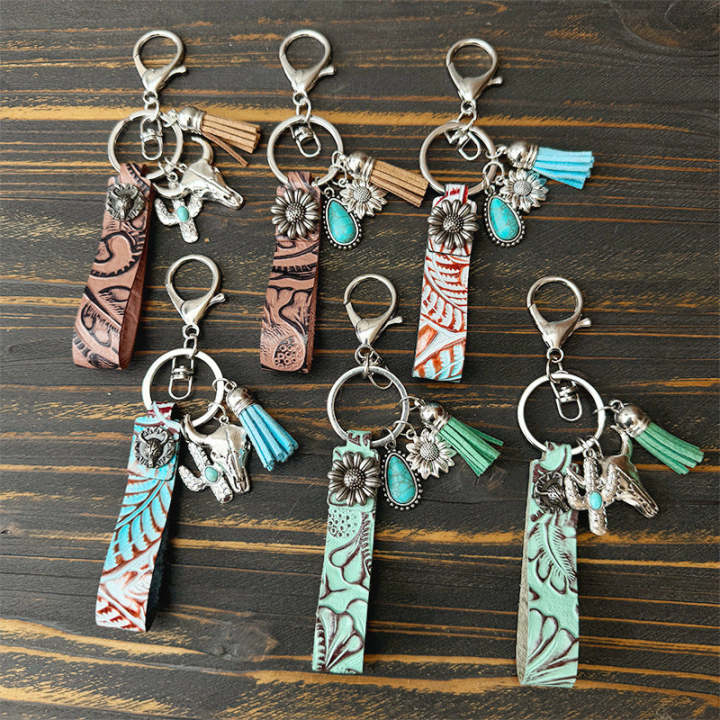
Six Outfit Maps
Denim shirt, necklace anchor, boot echo
Use a simple denim field, one measured necklace design, and boots that repeat warmth rather than every motif. Keep the belt quiet. The denim between neckline and boots becomes a large buffer.
Leather jacket anchor, small turquoise echo
Let the jacket carry texture and scale. Choose the least visually complex verified necklace option and leave a clean shirt beneath it. Avoid adding a second textured bag or large buckle unless the jacket is reduced.
Dress anchor, leather belt echo, jewelry color accent
A patterned or structured dress can remain the main statement. Use a narrow belt or small bag as the leather echo and a restrained blue-green jewelry accent. If the necklace interrupts the dress's focal print, remove it or choose another zone.
Boots anchor, open neckline buffer
Detailed boots lead the ground zone. Keep the middle of the outfit plain and give a necklace space near the face. This creates distance between the two textured elements.
Monochrome clothing, jewelry anchor, no leather echo
Leather is optional. A monochrome outfit can give turquoise-colored jewelry enough contrast without another textured component. Do not add an echo merely because the article title mentions leather.
Layered leather accessories, no necklace
When jacket, belt, watch strap, or bag already create a complete texture story, the neckline can remain empty. Women's turquoise jewelry can appear as a small earring, ring, or bracelet only after its own product facts and fit are verified.
Compare silhouettes in the Turquoise Jewelry collection and then zoom out through the Western Jewelry collection. Collection pages help choose an anchor category; the exact product page must still answer the record.
Use the Earring Video as Adjacent Context Only
The corresponding video link is “How to Match Earrings with Any Outfit - The Ultimate Guide | 8 Factors | Dazzles Jewellery” by Dazzles Jewellery. For this draft, only the title, channel, URL, and broad outfit-matching relationship are used. The video was not watched in full, so no factor, example, scene, demonstration, product claim, fit advice, material statement, or care method from it is cited.
The video title concerns earrings, while the live product examples are necklace listings. Do not transfer an earring rule to necklace length, weight, closure, contact, or care. Use the anchor–echo–buffer method as an independent framework and verify each exact product through its current page and seller clarification.
Common Pairing Mistakes
- Material by title: leather or turquoise wording is treated as a complete component statement.
- Two anchors: a detailed jacket and complex necklace compete at the same volume.
- No buffer: pendant, lapel, zipper, bag strap, and buckle converge in one zone.
- Exact-match chase: unrelated digital photographs are expected to produce identical color.
- One record for many designs: Design 1 through Design 5 or 6 are treated as mechanically identical.
- Universal care: one conditioner or cleaner is applied to undocumented components.
- Identity by motif: Western-inspired appearance becomes an unsupported origin or cultural claim.
The country concert jewelry guide can help test movement and outfit volume when this pairing is intended for live music. For broader purchasing evidence, use the complete Western turquoise jewelry buying guide.
Frequently Asked Questions
Does turquoise color work better with brown or black leather?
Either can work. Brown may create a warmer, lower-contrast relationship; black may create a stronger edge. The exact result depends on shade, finish, clothing, spacing, and visual hierarchy. Compare the real items in the intended light.
Can different leather colors be mixed?
Yes. Give one item the anchor role and let another repeat only value, temperature, or hardware. Separate them with a buffer. Exact matching is not required, and documented material care remains item-specific.
Should the necklace sit on skin or fabric?
Either placement can look intentional, but fit and safety depend on the exact length, decorative drop, closure, components, skin-contact information, and garment. Test a measured stand-in and confirm product specifications before purchase.
Does 18.5 grams guarantee comfort?
No. It is one current product statement for a set. Comfort also depends on distribution, contact points, length, movement, wearer sensitivity, and how the selected design interacts with clothing.
Can leather conditioner be used near the jewelry?
Do not assume it is compatible. Keep products separated during treatment and follow the manufacturers' instructions for each exact item. Ask the jewelry seller about contact with conditioners, oils, water, and cleaners.
Where should a shopper continue?
Visit Oroxen, create a short list from the linked collections, and make one anchor–echo–buffer sketch for the clothes already owned. Resolve the first missing material, size, closure, or care fact before adding a second design.
Conclusion: Strong Pairing Needs Space
Women's turquoise jewelry and leather can share an outfit without every element repeating the same color, motif, or texture. Choose an anchor, echo one property, and preserve a visible buffer. The outfit becomes clearer, and the products are less likely to collide with collars, lapels, zippers, straps, or competing hardware.
Keep evidence as disciplined as the styling. A title is not a full material specification, a photograph is not a measurement diagram, and one weight statement does not define every option. When the exact selected design is documented and the anchor–echo–buffer map survives a real outfit rehearsal, the pairing can feel expressive and balanced rather than themed by accumulation.